
The Problem of Attendance Tracking
Every school transportation department knows the anxiety that comes with uncertainty — Did every student board the bus? Did they get off at the right stop?
For school districts across North America, keeping accurate student attendance records during transit isn’t just about logistics; it’s about safety, compliance, and peace of mind for parents and administrators alike.
Yet many districts still rely on manual attendance methods — paper checklists or verbal headcounts — that are prone to error, especially during busy pick-up and drop-off times. As student populations grow and safety regulations tighten, it’s becoming clear that these traditional systems no longer meet the demands of modern transportation.
So, what’s the best way to monitor school bus attendance effectively, accurately, and in real time? Let’s explore how schools are transitioning from manual tracking to smarter, digital attendance monitoring.
Manual vs. Digital Attendance Tracking: What’s the Difference?
Manual Methods: A Legacy of Inefficiency
For decades, bus drivers and attendants have relied on printed rosters or visual checks to confirm which students are on board. While simple in theory, this approach has serious drawbacks:
- Human Error: It’s easy to miss a student in a crowded bus or during chaotic boarding times.
- Delayed Reporting: Attendance data often isn’t available to administrators until after routes are completed.
- No Real-Time Visibility: Parents and school staff can’t confirm whether a child boarded or disembarked safely.
- Limited Compliance Proof: Manual logs provide little documentation if questions arise during audits or incidents.
In short, manual methods can’t keep up with the accountability expectations of modern districts.
Digital Methods: Real-Time, Reliable, and Transparent
Digital school bus attendance tracking software changes the game by combining automation, GPS tracking, and student identification technologies.
Here’s how it works:
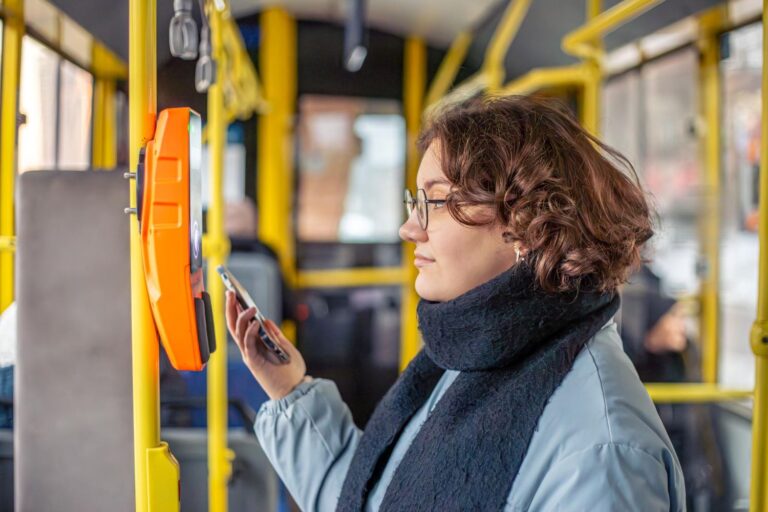
- Smart IDs or RFID Cards: Each student scans their ID when boarding or leaving the bus.
- Real-Time Data Sync: The scan immediately updates the district’s transportation dashboard.
- Live Monitoring: Administrators and drivers can see who’s on board — and who’s not — in real time, giving parents peace of mind
- Automated Alerts: If a student fails to board or exit at the wrong stop, the system can instantly notify relevant staff or parents.
This digital approach ensures every student is accounted for — every trip, every day.
Best Practices for Monitoring School Bus Attendance
Transitioning to a digital attendance system is more than a tech upgrade; it’s an opportunity to strengthen safety, efficiency, and parent trust. Here are the key best practices that top-performing districts follow:
1. Integrate Attendance with GPS Tracking
Linking attendance data with real-time GPS tracking provides full situational awareness. Administrators can see which students are on which bus and where that bus is located at any moment.
This integration also helps verify incidents — for instance, confirming a student’s boarding location or validating a reported delay.
2. Automate Check-Ins and Check-Outs
RFID or barcode-based systems minimize human error and speed up boarding. Instead of manually marking attendance, drivers can focus on the road and student safety while the system automatically logs every entry and exit.
3. Provide Parent Visibility
Transparency builds trust. With a parent app or portal, families can receive notifications such as:
“Emma boarded Bus 12 at 7:34 AM” or “Bus 12 arrived at Lincoln Middle School.”
These updates reassure parents while reducing inbound calls to transportation offices.
4. Maintain Digital Records for Compliance
Digital attendance systems automatically store records for future audits, incident reports, or attendance verification.
This helps districts meet local, state, or provincial compliance requirements with minimal administrative effort.
Busology Tech: The Smarter Way to Track Student Attendance
Busology Tech provides a modern, real-time bus ridership and attendance monitoring solution that empowers schools to track students accurately and safely.
Key Features Include:
- RFID Attendance: Quick, contactless student check-ins.
- Real-Time Dashboard: View live attendance data by route, bus, or time of day.
- Parent Notifications: Automatic updates for boarding and drop-offs.
- GPS Integration: Combine attendance with real-time location tracking.
- Data Security & Privacy: Fully compliant with North American school data protection standards.
By eliminating manual logs and guesswork, Busology Tech gives districts complete visibility into student ridership — from the first pickup to the last drop-off.
Why Real-Time Attendance Tracking Matters
For U.S. and Canadian school districts, real-time student tracking isn’t just an operational improvement — it’s a safety imperative.
- Prevents Lost Student Incidents: Immediate visibility means quicker response times if a student is missing or on the wrong bus.
- Boosts Parent Confidence: Transparent communication builds stronger community relationships.
- Enhances Accountability: Digital logs provide concrete records for administrators and auditors.
- Supports Efficiency: Attendance data helps optimize future routes and resource allocation.
Districts using Busology Tech report fewer attendance errors, faster reporting, and improved satisfaction among staff and families alike.
From Guesswork to Certainty
The best way to monitor school bus attendance is through digital, real-time tracking that ensures every student’s safety and every parent’s peace of mind.
Manual methods may have worked in the past, but today’s school transportation environment demands accuracy, automation, and transparency.
With Busology Tech’s attendance monitoring module, districts can move from uncertainty to complete confidence — knowing every student’s journey is tracked from start to finish.
Learn More About Busology’s Attendance Solution
Learn more or request a demo to see how Busology Tech helps schools modernize attendance tracking with real-time data, automation, and parent engagement tools.